Born on February 9, 1965, in Isan-Ekiti, Ekiti State, he has dedicated his life to public service, exhibiting leadership qualities and a commitment to the betterment of his country.
This article will provide an in-depth profile of Kayode Fayemi, exploring his early life, education, political career, leadership style, achievements as governor, contributions to Nigeria’s development and international relations, philanthropy, awards and recognition, challenges and criticisms faced, as well as his legacy and plans.
Early Life and Education
Kayode Fayemi’s early life and education laid the foundation for his remarkable career as a prominent Nigerian politician and public servant. Born on February 9, 1965, in Isan-Ekiti, Ekiti State, Nigeria, Fayemi was raised in a humble family that instilled in him the values of hard work, discipline, and integrity.
Despite the financial challenges his family faced, Fayemi excelled academically and displayed a strong passion for learning from a young age.
Fayemi’s educational journey began when he attended the ICC Primary School, Agodi, Ibadan, Oyo State between 1970-1975. From 1975 to 1980, he attended Christ’s School Ado Ekiti for his secondary school education.
The young man was also raised a catholic, he became an altar boy where he diligently assisted the priests in their ecclesiastical Eucharist and other pastoral duties.
He furthered his educational pursuit by attending the University of Lagos and the University of Ife (now Obafemi Awolowo University) graduating with degrees in History, Politics and International Relations respectively.
Fayemi’s thirst for knowledge and commitment to academic excellence led him to pursue further studies abroad. He obtained a Ph.D. in War Studies from King’s College, University of London, a testament to his intellectual rigor and dedication to understanding the intricacies of conflict, governance, and international relations.
His educational background equipped him with a deep understanding of Nigeria’s history, politics, and international relations, laying a solid foundation for his future political career.
During his formative years, Fayemi’s academic pursuits were complemented by his active involvement in pro-democracy movements advocating for political reforms in Nigeria. This early engagement in socio-political issues reflects his deep-seated commitment to democratic principles and the betterment of his country.
Fayemi’s journey from a small town in Ekiti State to the halls of prestigious universities in Nigeria and the United Kingdom underscores his resilience, determination, and intellectual curiosity. His educational experiences not only broadened his knowledge but also honed his critical thinking and analytical skills, qualities that would later define his leadership style and approach to governance.
Overall, Kayode Fayemi’s early life and education reflect a narrative of perseverance, academic excellence, and a deep-rooted passion for Nigeria’s history and development. These formative experiences undoubtedly shaped his trajectory as a leader and public servant, laying the groundwork for his future contributions to the progress and prosperity of Nigeria.
Personal Life
Kayode Fayemi is married to Olabisi Fayemi and their union is blessed with a son, Folajimi Fayemi.
Political Career and Rise to Prominence
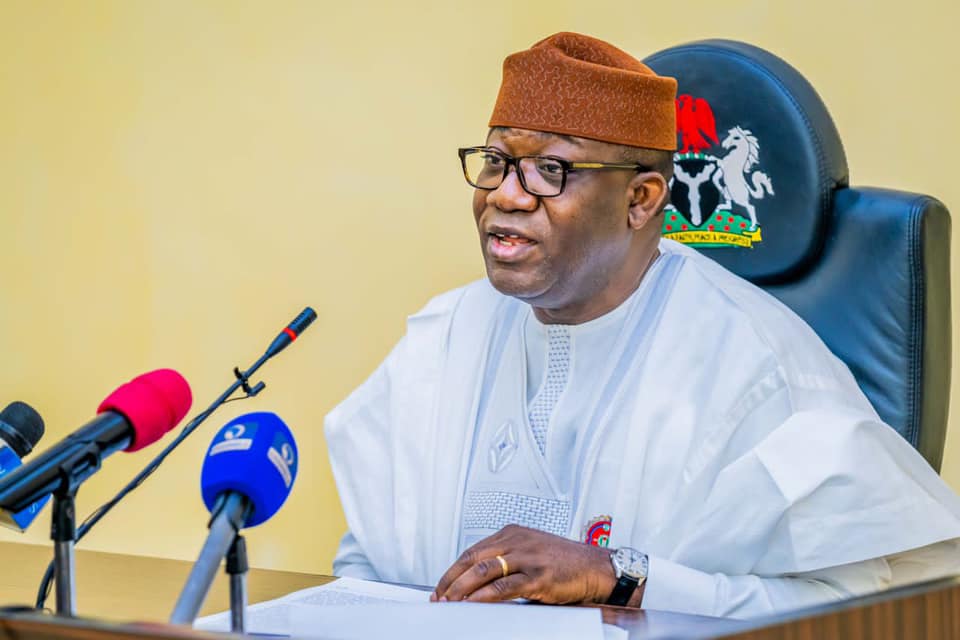
Kayode Fayemi’s political journey began in the early 1990s when he became actively involved in pro-democracy movements advocating for political reforms in Nigeria. He played a crucial role in the struggle against military dictatorship and the fight for the restoration of democratic governance in the country.
Fayemi’s commitment to democratic principles and his intellectual prowess soon caught the attention of prominent political leaders, leading to his appointment as the Special Adviser on Budget to the Governor of Lagos State. This marked the beginning of his rise to prominence in Nigerian politics.
Fayemi contested for Governor of Ekiti State in 2007.After three and a half years of legal battles, the appeal court in Kwara State ruled that Fayemi was the legitimately elected Governor of Ekiti State on October 15, 2010, therefore ending Olusegun Oni‘s term as the state’s governor
Fayemi was endorsed by the All-Progressives Congress as the party’s governorship candidate in the state’s gubernatorial elections on June 21, 2014.
His ascension was preceded by a congress conducted before the governor, who faced no opposition, was endorsed as the state’s flag bearer in the governorship elections.
The ex-governor, Ayodele Fayose, defeated Kayode Fayemi at the polls on June 21, 2014.
After resigning as the Minister of Solid Minerals Development, Fayemi contested for a second term as governor of Ekiti State on the platform of the All-Progressive Congress in the July 14, 2018 governorship election.
On July 15, 2018, he was declared the winner of the Ekiti State gubernatorial election and handed over power to Oyebanji on October 16, 2022.
Allegations
Fayemi’s tenure as Governor of Ekiti State from 2010 to 2014 was investigated by the Independent Corrupt Practices Commission (ICPC) in 2016 for the suspected theft of over N25 billion in infrastructure bonds by his government.
He was charged in July 2020 with “financial misconduct” about the Ajaokuta Steel Mill while serving as Minister of Solid Minerals from 2015 to 2018.
During his first term as Governor, however, multiple petitions have been filed against him before the EFCC based on various corruption charges ranging from misuse of public funds to blatant slightly elevated.
All allegations against him were ultimately dismissed, and he was judged not guilty.
Leadership Style and Achievements as Governor
Kayode Fayemi’s leadership style as the governor of Ekiti State from 2010 to 2014 was characterized by a strong commitment to good governance, innovative policymaking, and a focus on holistic development.
His tenure as governor was marked by significant achievements across various sectors, positively impacting the lives of the people of Ekiti State.
One of Fayemi’s notable achievements as governor was in the area of education. He implemented initiatives aimed at improving the quality of education and increasing access to learning opportunities. Under his leadership, new schools were established, and primary and secondary education was made free for students. Additionally, innovative programs were introduced to enhance the overall standard of education in the state. These efforts led to tangible improvements in literacy rates and educational outcomes, laying a solid foundation for the future of Ekiti State’s youth.
In the healthcare sector, Fayemi’s administration prioritized the well-being of the people by implementing policies to improve access to quality healthcare services. Efforts were made to reduce maternal and child mortality rates, and healthcare facilities were upgraded to better serve the population. Through these initiatives, the overall health and welfare of the people of Ekiti State were significantly enhanced.
Furthermore, Fayemi’s focus on agriculture aimed to boost food security and promote economic empowerment among farmers. His administration provided farmers with access to improved seedlings, fertilizers, and training, resulting in increased agricultural productivity and income generation. These efforts not only improved the livelihoods of farmers but also contributed to the overall economic development of the state.
In terms of infrastructure development, Fayemi executed various projects, including road constructions, rural electrification, and the rehabilitation of public buildings. These initiatives improved the overall living conditions of the people and attracted investments to the state, fostering economic growth and development.
Fayemi’s leadership style as governor was characterized by a hands-on approach, transparency, and a genuine concern for the welfare of the people. He engaged with various stakeholders, sought input from the community, and prioritized the needs of the citizens in his decision-making processes. His administration’s achievements in education, healthcare, agriculture, and infrastructure development set a precedent for effective governance and left a lasting impact on the development of Ekiti State.
Overall, Kayode Fayemi’s tenure as governor exemplified visionary leadership, a commitment to the well-being of the people, and a dedication to fostering sustainable development in Ekiti State. His achievements continue to serve as a model for effective governance and have contributed to the overall progress of the state.
Awards and Recognition
Kayode Fayemi’s exceptional contributions to Nigeria’s development and his exemplary leadership qualities have garnered widespread recognition and numerous prestigious awards both nationally and internationally. These accolades serve as a testament to his dedication and commitment to Nigeria’s progress, solidifying his status as a distinguished public figure.
One of the most notable awards Fayemi has received is the National Productivity Order of Merit Award, a prestigious honor bestowed upon individuals who have made significant contributions to the productivity movement in Nigeria. This award underscores Fayemi’s impact on enhancing productivity and efficiency within various sectors of the Nigerian economy, reflecting his commitment to driving sustainable growth and development.
In addition to the National Productivity Order of Merit Award, Fayemi has been honored with the Vanguard Personality of the Year Award, a recognition that highlights his influential presence and outstanding achievements in the public sphere. This award acknowledges Fayemi’s remarkable leadership and his positive influence on the Nigerian society, further cementing his status as a prominent figure in the country’s political landscape.
Furthermore, Fayemi has been the recipient of the African Governance Leadership Award, an esteemed accolade that underscores his exceptional governance and leadership qualities. This award recognizes Fayemi’s significant contributions to governance, public administration, and leadership, not only within Nigeria but also on the broader African continent. It serves as a testament to his visionary approach to governance and his impact on shaping effective leadership practices in the region.
These awards and recognitions reflect the widespread acknowledgment of Fayemi’s remarkable achievements and his profound influence on Nigeria’s development. They underscore his unwavering commitment to public service, his visionary leadership, and his dedication to advancing the nation’s growth and prosperity. Through these accolades, Fayemi’s legacy as a transformative leader and a dedicated public servant is solidified, inspiring future generations of leaders to follow in his footsteps and contribute meaningfully to the progress of Nigeria and the African continent as a whole.
Legacy and Plans
Kayode Fayemi’s legacy is indeed one of dedicated service and visionary leadership. His contributions to sectors such as education, healthcare, agriculture, and international relations have undoubtedly left a lasting impact on Nigeria’s development. His commitment to the progress of the country is evident in his continued service and his future plans for advancing Nigeria’s growth and prosperity.
Fayemi’s focus on promoting good governance, economic diversification, and sustainable development aligns with the ongoing needs of Nigeria. Good governance is essential for ensuring transparency, accountability, and effective decision-making, which are crucial for the country’s stability and progress. Economic diversification is key to reducing dependency on a single sector and fostering a more resilient and inclusive economy. Sustainable development, encompassing environmental, social, and economic considerations, is vital for ensuring that Nigeria’s growth is both enduring and equitable.
By prioritizing these areas in his plans, Fayemi demonstrates a forward-looking approach to leadership. His vision for Nigeria’s future reflects an understanding of the multifaceted challenges the country faces and a commitment to addressing them comprehensively. It also underscores his recognition of the interconnectedness of governance, economic development, and sustainability in driving long-term progress.
As Fayemi continues to serve Nigeria in various capacities, his dedication to advancing the nation’s growth and prosperity will be instrumental in shaping the country’s trajectory. His legacy of service and his future plans both underscore his enduring commitment to contributing to Nigeria’s development and well-being.
Conclusion
Kayode Fayemi’s life and career exemplify the qualities of a true leader and a dedicated public servant. From his early days as an advocate for democratic reforms to his current role as a prominent Nigerian politician, Fayemi has consistently worked towards the betterment of Nigeria and its people.
Through his achievements, diplomatic efforts, philanthropy, and commitment to good governance, he has left an indelible mark on Nigeria’s development. As a Naijassador, Fayemi continues to promote Nigeria’s interests and contribute to the nation’s progress, making him a true role model for future generations of leaders.
- https://twitter.com/kfayemi?s=09
- https://www.facebook.com/JKayodeFayemi?mibextid=gik2fB
- https://ng.linkedin.com/in/john-kayode-fayemi-phd-675387209
Things you should know about Kayode Fayemi, a Nigerian politician.
Tell us what else readers should know in the comment section.
Written by Omoare Damilola