Nigeria, a country rich in culture and diversity, has a calendar filled with vibrant holidays and festivals. These holidays are more than just days off; they are moments that bring together communities, celebrate history, and honour traditions. Naijassador takes a look at the top seven holidays in Nigeria and their significance.
New Year’s Day (January 1st)

In Nigeria, New Year’s Day is a day of both reflection and celebration. Various festivities signifying the change of year are what Nigerians mark with fireworks, parties and religious services during New Year’s Eve. It is also a time to be making New Year’s resolutions, a time to look back at all that you have achieved in the past year. The day may also start with church services intended to ask for blessings in the year ahead.
Eid al-Fitr (Varies)
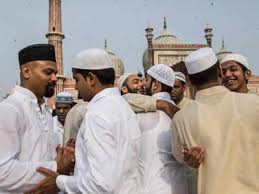
Eid al-Fitr is the festival that celebrates the end of Ramadan, which is a month-long fasting for Muslims. It marks one of the holiest Islamic holidays in Nigeria, observed by a substantial percentage of the Nigerian Muslim community. This day starts with attending special prayers at mosques and proceeds by offering food to the poor, gifting alms and visiting friends and family. The festive celebration symbolizes to the community an end of a time for self-denial, and spiritual reflection.
Eid al-Adha (Varies)
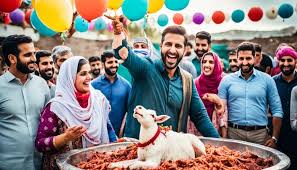
Eid al-Adha is known as the Festival of the Sacrifice, and it is celebrated as Prophet Ibrahim (Abraham) willingness to sacrifice his son in obedience to God. It is observed by way of prayers, and animal sacrifices -such as the goat sheep and cows- which are shared with family, friends and the less privileged people. An idea about sacrifice, giving and community charity.
Independence Day (October 1st)

1 October is Independence Day in Nigeria. It is a national day, the beginning of Nigerian history with the end of British colonial rule in 1960. The day is celebrated with parades, cultural dances and concerts; as well as political speeches. It is usually a time for Nigerians to celebrate their heritage, history and national identity. The green and white colours of the Nigerian flag are prominently displayed, symbolizing agriculture and peace.
Christmas Day (December 25th)

Christmas Day is observed by Christians in Nigeria as well as around the world to rejoice in the birth of Jesus Christ. It is a time for church services, family get-togethers and feasts. From the soaring Christmas trees, festive lights and nativity scenes adorning many homes for blocks on end, the season is always so much fun. In Nigeria, the holiday season is synonymous with goodwill as people give gifts and help those in need.
Boxing Day (December 26th)

After Christmas is Boxing Day which is a day after Christmas each year. It is another significant holiday in Nigeria. A day to give thanks, and a day of sharing with the less fortunate. In the old times, this day was marked as a day to share gifts for employees and servants. But now it is a day of rest, spending time with friends and eating all the leftovers from Christmas. Most people use this day to do charity and share gifts with the people who are in need.
Good Friday and Easter Monday (Varies)
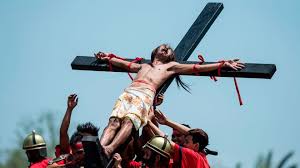
Lastly, for Easter festivities, there is Good Friday and on Monday many enjoy the day off as it’s marked in celebration of Jesus Christ’s crucifixion and resurrection. Good Friday is honoured with reflective church services and better meditation on the sufferings of Christ. Easter Monday is a day of joy and celebrations as there are family outings in parks, picnics and endless community activities. Themes of sacrifice, redemption and renewal are highlighted during these holidays.
Conclusion
These holidays in Nigeria reflect the country’s rich cultural and religious diversity. They are times for celebration, reflection, and community, highlighting the importance of family, faith, and national pride. Each holiday, with its unique traditions and customs, adds to the vibrant tapestry of Nigerian life, bringing people together in joy and unity.
Written by Sarah Aboje