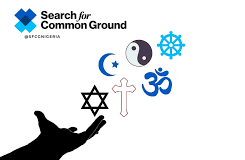
Nigeria, a country with a rich cultural heritage and diverse religious settimgs, is home to some of the most religious states in the world.
From the Islamic strongholds of the north to the Christian bastions of the south, each state has its unique religious identity shaped by history, tradition, and community.
In this blog post, we’ll discuss the top 11 most religious states in Nigeria, exploring the factors that contribute to their high religious engagement and the impact on their communities. Join us as we journey through the heart of Nigeria’s religious movements.
1. Jigawa
Jigawa state tops the list as the most religious state in Nigeria, with an impressive 97% of its population frequently attending religious services.
This is perhaps due to its strong Islamic heritage and the influence of traditional leaders who emphasize the importance of faith in daily life.
The state’s capital, Dutse, is home to several revered mosques and Islamic learning centers, reflecting the state’s deep commitment to its religious beliefs.
2. Benue
Benue state comes in second, with 96.4% of its population actively participating in religious activities.
The state’s rich cultural heritage and strong Christian presence contribute to its high ranking.
The state is home to several influential churches and missionary organizations, which have played a significant role in shaping the state’s religious landscape.
3. Taraba
Taraba state ranks third, with 95.6% of its population frequently attending religious services.
The state’s diverse population, comprising both Christians and Muslims, contributes to its high religious engagement.
The state’s capital, Jalingo, is home to several important religious landmarks, including the Taraba State Mosque and the St. Augustine’s Catholic Church.
4. Enugu
Enugu state comes in fourth, with 94.1% of its population actively participating in religious activities.
The state’s strong Igbo heritage and Christian presence contribute to its high ranking.
The state is home to several influential churches and religious organizations, which have played a significant role in shaping the state’s religious landscape.
5. Bauchi
Bauchi state ranks fifth, with 94% of its population frequently attending religious services.
The state’s rich Islamic heritage and strong traditional leadership contribute to its high religious engagement.
The state’s capital, Bauchi, is home to several revered mosques and Islamic learning centers, reflecting the state’s deep commitment to its religious beliefs.
6. Cross River
Cross River state comes in sixth, with 92.4% of its population actively participating in religious activities.
The state’s diverse population, comprising both Christians and Muslims, contributes to its high religious engagement.
The state’s capital, Calabar, is home to several important religious landmarks, including the Calabar Mosque and the St. Patrick’s Catholic Church.
7. Rivers
Rivers state ranks seventh, with 92% of its population frequently attending religious services.
The state’s strong Christian presence and influential churches contribute to its high ranking.
The state’s capital, Port Harcourt, is home to several important religious landmarks, including the Port Harcourt Mosque and the St. Cyprian’s Anglican Church.
8. Kebbi
Kebbi state comes in eighth, with 91.8% of its population actively participating in religious activities.
The state’s strong Islamic heritage and traditional leadership contribute to its high religious engagement.
9. Anambra
Anambra state ranks ninth, with 90.6% of its population frequently attending religious services.
The state’s strong Igbo heritage and Christian presence contribute to its high ranking.
The state is home to many influential churches and religious organizations, which have played a significant role in shaping the state’s religious move.
10. Kaduna
Kaduna state comes in tenth, with 90.6% of its population actively participating in religious activities.
The state’s diverse population, comprising both Christians and Muslims, contributes to its high religious engagement.
Kaduna hosts many religious landmarks, including the Kaduna State Mosque and the St. Joseph’s Catholic Church.
Conclusion
The top 10 most religious states in Nigeria are a testament to the country’s religious diversity.
From Jigawa to Kaduna, each state has its unique story of faith, community, and tradition.
As we’ve seen, factors like history, culture, and leadership have all played a role in shaping the religious landscape of these states.
As we move forward in an increasingly globalized world, the lessons from these states can inspire us to build bridges of understanding and create a more harmonious society for all.