The current state of the Nigerian economy has undeniably impacted various aspects of daily life, and marriages are no exception.
With rising inflation, unemployment, and the ever-increasing cost of living, couples are finding it harder to maintain financial stability, which is often a cornerstone of a healthy relationship.
One significant way the economy affects marriages is through financial stress. The soaring prices of basic necessities, from food to housing, have stretched many households beyond their limits.
For young couples, the dream of owning a home or starting a family is becoming more challenging to achieve. Financial pressure often leads to arguments, mistrust, and, in some cases, the breakdown of relationships.
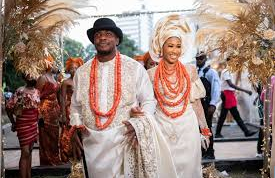
Furthermore, traditional marriage expectations are being tested. Cultural norms in Nigeria often require couples to meet extensive wedding demands, including extravagant ceremonies and hefty dowries. In a struggling economy, many couples delay marriage or choose simpler ceremonies, which can sometimes lead to tension within families.
Additionally, the economy is reshaping gender roles. As more women enter the workforce to support their families, some men struggle with adapting to changing dynamics, which may create friction in the marriage.
Ultimately, while love is a powerful force, financial stability remains essential for thriving marriages in the current economic climate.