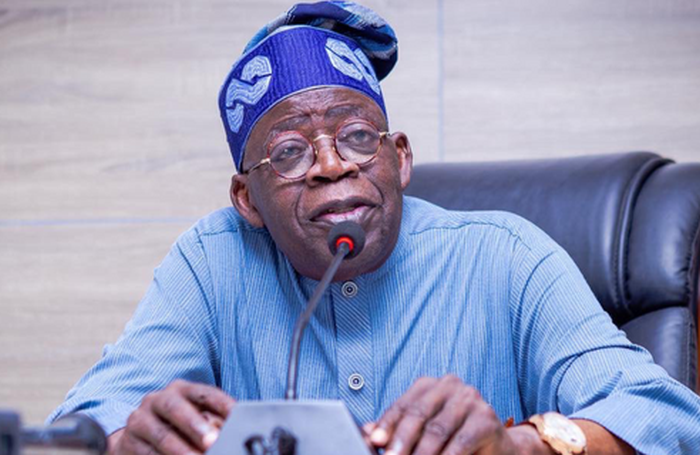
President Bola Tinubu has expressed optimism about the success of his economic policies, asserting that they are beginning to yield positive results.
Speaking at the 34th and 35th convocation ceremonies of the Federal University of Technology, Akure, Tinubu highlighted the critical nature of the decisions taken since his assumption of office.
Represented by the Vice-Chancellor of the University of Ilorin, Prof. Wahab Egbewole, the President noted that the policies, though challenging were necessary to steer Nigeria away from crisis and toward sustainable growth.
The removal of the fuel subsidy and the unification of exchange rates, Tinubu argued, were strategic steps aimed at transitioning Nigeria from a consumption-driven to a production-oriented economy.
While acknowledging the hardships these measures have caused, the President pointed to macroeconomic improvements and emerging positive trends in the microeconomy as evidence of progress.
Tinubu also reassured Nigerians of his administration’s commitment to security, prosperity, and a brighter future for all. However, public opinion remains divided. Critics argue that immediate hardships overshadow long-term gains, while supporters believe the policies are laying the groundwork for sustainable development.
Ultimately, the question of whether Tinubu’s policies are yielding results depends on one’s perspective: are short-term pains a price worth paying for long-term economic stability?