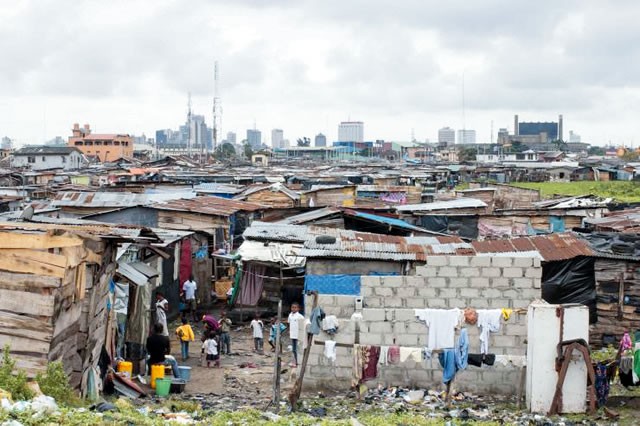
Nigeria, Africa’s most populous country and largest economy, has a paradox that belies its growth and potential.
In a revealing assessment by the Presidential Enabling Business Environment Council (PEBEC) in 2023, the spotlight has turned to an issue that hampers its development: deteriorating infrastructure.
The recent PEBEC report lists the ten Nigerian states most afflicted by infrastructure decay, a concerning signal for policymakers and citizens alike.
This article goes into the implications of this ranking and the challenges it poses.
1. Delta State
Delta state, known for its oil production, tops the list, presenting a stark contrast between its natural resource wealth and the state of its basic amenities.
Infrastructure neglect in the region poses risks not only to the economic output but also to the safety and well-being of its residents.
2. Ogun state
Adjacent to the nation’s commercial hub, Lagos, Ogun’s infrastructure lags, despite its industrial boom.
With roads and public utilities falling short, businesses and commuters face daily hurdles that affect productivity and livelihoods.
3. Lagos State
Lagos, Nigeria’s bustling metropolitan state, grapples with the strain of its vast population on existing infrastructure.
Traffic congestion, inadequate waste management, and frequent power outages signify the stress on urban planning and resource management.
4. Edo State
Home to the ancient Benin Kingdom, Edo’s modern narrative is tinged with infrastructural decline.
Efforts to preserve cultural landmarks are also threatened by the lack of maintenance and facilities enhancement.
5. Rivers State
Rivers state, another oil hub, faces a dichotomy where natural wealth has not translated into infrastructural solidity.
The environmental impact of the oil industry further worsens the state’s infrastructure woes.
6. Ondo
Ondo’s rich agricultural and mineral resources have not been adequately harnessed, partly due to the inadequate state of transport and energy infrastructure.
This hinders not only growth but also the optimal utilization of its resources.
7. Oyo State
Oyo, once a center of administration during the colonial era, now struggles with dilapidated transport systems and public services that hamper its historical and cultural tourism potential.
8. F.C.T Abuja
Surprisingly, the Federal Capital Territory, Abuja, is not exempt from this list.
Despite being the administrative seat of the nation, it faces challenges in delivering consistent public services and maintaining roads and utilities.
9. Imo State
Imo’s infrastructure suffers, with reports of failing public projects and uncompleted roadworks creating bottlenecks for economic and social activities.
10. Bayelsa State
Bayelsa, despite its status as an oil-producing state, endures the neglect of basic infrastructure, affecting education, healthcare, and transport sectors.
Final Words
This report by PEBEC is not just a list; it’s a call to action for immediate and strategic interventions.
Nigeria’s infrastructural deficiencies are a bottleneck to its growth trajectory, undermining economic diversification, investment attractiveness, and quality of life.
For Nigeria, these top ten states are a wake-up call. Investments in infrastructure must be prioritized to ensure that the country’s potential is not left unrealized, buried under the rubble of neglected development.