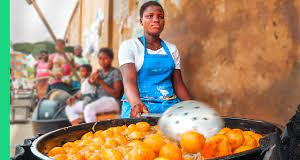
Nigerian street food is more than just a foodie experience; it is a way of life, transporting its customers on a voyage of vibrant flavours from the nation’s various foodie influences. The year 2024 continues to see the notorious streets of Nigeria draw people in with delectable smells and appealing pleasures. Naijassador lists seven Nigerian street foods that you must indulge in this year to experience Nigerian cuisine at its core:
Suya

An all-time favourite street-side delicacy, Suya is popular for its spicy, smoky, and zesty flavours. Skewered pieces of one’s choice of meat, usually beef or chicken; are charcoal-grilled and spiced using a mix of powdered peanuts, cayenne pepper, ginger, garlic, and a touch of salt. Thinly sliced onions and tomatoes are served on the side, with a little bit of savoury to kick it. It is one of the traditional must-haves while exploring the street sides of Nigeria.
Akara

Akara is a popular breakfast and snack made from peeled beans, which are milled, seasoned, and deep-fried to create crispy, golden ball wonders. The crispy shell gives way to a light, airy interior full of delightful tastes. With bread or by itself, spicy pepper sauce on the side or sweet pap paired with gooey akara chows down the Nigerian roads because who on Earth would say no to something so good and straightforward?
Boli (Roasted Plantain)
Boli is the finest way to consume roasted plantain. The ripe plantains are grilled or roasted directly over a live fire until caramelized and tender, resulting in an exquisite balance of sweet and smoky taste. Boli is a must when served with groundnut or pepper sauce for nut buttery heat that vastly improves its taste. Nigerians adore this food since it is delicious and quickly available.
Masa

Masa was created in Northern Nigeria, a fluffy, somewhat acerbic rice cake composed of fermented rice batter. Masa is cooked in a special skillet, where it obtains a nice crust while staying soft and soufflé-like within. Masa is almost always served with various delectable garnishes of spice tomato sauce and shredded chicken. This is an excellent meal for children since it has a very wonderful texture.
Gizdodo

Combining gizzard, plantains, bell peppers, onions, and rich tomato-based sauce, gizdodo is a striking blend of flavours that complement and intertwine with each other. After marinating the meat in spices, the gizzard is fried in a stir-fry until it becomes tender and caramelized in colour, after which it is mixed with the same colour as caramelized plantains and vegetables. The entire dish comes out hearty and spicy, emphasizing the sweet side of Nigerian cuisine.
Roasted corn
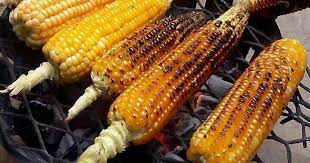
Out of all of the corn recipes, roasted corn must be one of the simplest yet most rewarding snacks. Corn on the cob is burned over coals or wood until soft and dented, soft and fragrant with sugar. It is frequently dished up with a burn of salt or spicy pepper dressing to amplify the sugary flavour of the corn. Roasted corn is almost synonymous with Nigerian lane life. This weather is favourable among many snackers as it is frequently consumed throughout the rainy season.
Kilishi

Originally from Northern Nigeria, kilishi is a spice-packed dried meat treat that has become popular throughout the country. Think of beef jerky with a Nigerian flair. The thinly sliced beef is marinated in a concoction of spices such as cayenne pepper, ginger, garlic, and nutmeg before being sun-dried or smoked until tender. It emerges as a chewy meaty snack with zesty and spicy undertones, ideal for meat enthusiasts scaling the streets of Nigeria.
Conclusion
And so, as you wade the busy streets of Nigeria in 2024, these are seven of the most popular street delicacies that give just a sneak peek of the vast net of Nigerian foods from different cultures. Whether it is the uncontrolled hotness from eating a piece of suya, the pleasure from the simpleness of akara, or succulence in every bite of gizdodo, the seven meals above and many others have not only been around for centuries but they have made a name to be recognized and termed celebrated meals in other countries as well.
Written by Sarah Aboje