Nigeria, a country brimming with cultural diversity and historical significance, is home to many heritage sites that showcase its rich past. From ancient kingdoms to colonial remnants, Nigeria’s heritage states offer a cultural experience for history enthusiasts and cultural aficionados alike. In this article from Naijassador, we embark on a journey to unveil Nigeria’s top 10 heritage states, each encapsulating unique stories, traditions, and legacies that contribute to the nation’s vibrant tapestry.
Lagos State

Lagos, Nigeria’s economic capital, is significant in the nation’s history. From its origins as a bustling port city during the pre-colonial era to its role in the transatlantic slave trade, Lagos bears witness to centuries of commerce and cultural exchange. Visitors can explore landmarks such as the Brazilian Quarter on Lagos Island, which reflects the influence of returnee enslaved people from Brazil, or the Badagry Slave Route, a poignant reminder of Nigeria’s dark past.
Oyo State

Oyo State, located in southwestern Nigeria, boasts a rich cultural heritage rooted in the powerful Oyo Empire. At its zenith, the empire dominated much of present-day Nigeria and beyond, leaving a legacy of governance, administration, and artistry. Visitors to Oyo State can explore the UNESCO World Heritage Site of the Oyo-Ile (Old Oyo) and delve into the history of the Alaafin of Oyo, the traditional ruler of the Oyo people.
Cross River State

Cross River State, nestled in Nigeria’s southeast region, is renowned for its natural beauty and cultural diversity. The state is home to the Cross River National Park, a biodiversity hotspot teeming with flora and fauna. Additionally, Cross River State hosts the annual Calabar Carnival, a colourful extravaganza that celebrates the region’s cultural heritage and traditions, attracting visitors from far and wide.
Benin City, Edo State

Edo State, with its capital in Benin City, is steeped in history, particularly as the heartland of the ancient Benin Kingdom. The kingdom flourished from the 13th to the 19th century, renowned for its sophisticated bronze and ivory artwork. Today, visitors can explore the Benin City National Museum, which houses a remarkable collection of artefacts, including the famous Benin Bronzes, shedding light on the kingdom’s artistic prowess and cultural legacy.
Plateau State

Plateau State, aptly named for its picturesque landscapes and elevated terrain, is a melting pot of cultures and traditions. The state is home to numerous ethnic groups, each contributing to its diverse heritage. Notable attractions include the Nok Culture Terracotta Figures, ancient artefacts dating back over 2,000 years, and the Riyom Rock Formations, natural wonders etched with intriguing rock art, providing glimpses into Nigeria’s ancient past.
Kaduna State

Kaduna State, located in Nigeria’s north-central region, is renowned for its historical significance and architectural heritage. The city of Kaduna served as a colonial administrative center during British rule, leaving behind an array of colonial-era buildings and landmarks. Visitors can explore sites such as the Lugard Hall, named after Lord Frederick Lugard, the colonial administrator who amalgamated Nigeria, and the Kajuru Castle, a medieval-style fortress nestled amidst scenic surroundings.
Kano State

Kano State, often called the “Center of Commerce,” has a heritage deeply rooted in trade and Islamic scholarship. The ancient city of Kano was once a prominent hub along the trans-Saharan trade routes, fostering cultural exchange and economic prosperity. Today, visitors can explore historic sites such as the Kano City Walls, a UNESCO World Heritage Site that encircles the old city, and the Gidan Makama Museum, which showcases artefacts reflecting Kano’s rich history and heritage
Osun State

Osun State, located in southwestern Nigeria, is renowned for its spiritual significance and cultural heritage. The state is home to the Osun-Osogbo Sacred Grove, a UNESCO World Heritage Site revered as the abode of the goddess of fertility, Osun. Every year, devotees and tourists gather for the Osun-Osogbo Festival, a vibrant celebration featuring rituals, processions, and artistic performances, underscoring the importance of tradition and spirituality in Nigerian culture.
Sokoto State

Sokoto State, situated in Nigeria’s northwestern region, holds a prominent place in Nigerian history as the seat of the Sokoto Caliphate, one of the largest Islamic empires in Africa. The state is home to architectural marvels such as the Sultan’s Palace and the Usmanu Danfodiyo University, named after the renowned Islamic scholar and founder of the caliphate. Visitors can also explore the ancient city of Gobir and delve into its storied past.
Enugu State
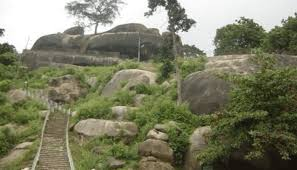
Enugu State, located in southeastern Nigeria, is known for its coal mining heritage and cultural landmarks. The city of Enugu, once dubbed the “Coal City,” played a pivotal role in Nigeria’s industrial development during the colonial era. Today, visitors can explore sites such as the Old Government House, a colonial-era tower, and the National Museum of Unity, which showcases artefacts highlighting Nigeria’s cultural diversity and unity.
Conclusion
Nigeria’s heritage states offer a captivating glimpse into the nation’s rich and diverse history, spanning centuries of cultural evolution and societal transformation. From ancient kingdoms to colonial legacies, each state holds unique treasures waiting to be discovered by visitors eager to explore Nigeria’s vibrant heritage. As custodians of these invaluable legacies, it is imperative to preserve and promote Nigeria’s cultural heritage for future generations to cherish and appreciate.
Written by Adefala Mayowa